
ClickCease

Ontario’s Trusted Home Buyer Since 2008

Category: Uncategorized

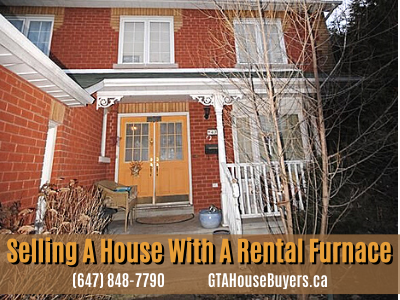
  • Selling a House with a Rental Furnace in Ontario

    selling a house with a rental furnace

    If you own a home in Ontario, there is a good chance your furnace is not actually yours. Many homeowners discover this only when they decide to sell. A rental furnace can feel confusing, frustrating, and stressful once paperwork enters the picture.

    Selling a house with a rental furnace in Ontario is common. It is also very manageable once you understand how these agreements work and how buyers usually react to them.

    This guide explains what a rental furnace means for your sale, what buyers care about, and how Ontario homeowners handle this situation without unnecessary delays.

    What a Rental Furnace Means in Ontario

    A rental furnace means a third-party company owns the equipment. You pay a monthly fee to use it. These agreements often include maintenance and repairs, which sounds helpful at first. The issue appears during a sale.

    Most rental furnace contracts attach to the property, not the person. When ownership changes, the agreement often transfers to the new homeowner unless something else happens. That detail matters because buyers do not always expect it.

    Why Rental Furnaces Cause Confusion During a Sale

    Many homeowners forget about the rental agreement because it blends into monthly bills. Buyers, however, notice it quickly.

    When a buyer learns the furnace is rented, questions start coming up:

    • Who pays the monthly fee after closing
    • Can the contract be canceled
    • What happens if the buyer does not want it
    • Is there a buyout option

    These questions slow things down when nobody prepares for them.

    Is It Legal to Sell a House with a Rental Furnace in Ontario

    Yes. Ontario law allows homeowners to sell properties with rental equipment in place. This includes furnaces, water heaters, and other systems. The key requirement is disclosure.

    You must tell buyers about the rental agreement. Your lawyer usually includes it in the paperwork. Transparency avoids problems later.

    What Buyers Think About Rental Furnaces

    Buyer reactions vary. Some buyers accept rental furnaces without much concern. Others dislike ongoing monthly payments and prefer owning equipment outright.

    Traditional buyers often hesitate more than investors. Investors expect rental equipment and factor it into their decision. Understanding your buyer type helps you choose the smoothest path.

    Common Options When Selling with a Rental Furnace

    Ontario homeowners usually handle rental furnaces in one of three ways.

    Option 1: Transfer the Rental Agreement

    This is the most common option. The agreement transfers to the buyer. The buyer takes over payments after closing.

    This option works best when the buyer understands rental systems and feels comfortable with the terms.

    Option 2: Buy Out the Furnace

    Some homeowners choose to buy out the rental before selling. This removes the agreement entirely. Buyouts can be expensive depending on the contract and remaining term. Not everyone wants to pay this upfront.

    Option 3: Let the Buyer Decide

    In some cases, the buyer chooses whether to keep or buy out the furnace after closing. This option works best with buyers who plan renovations or upgrades anyway.

    How Rental Furnaces Affect Traditional Listings

    When selling through a traditional listing, rental furnaces often become negotiation points.

    Buyers may ask:

    • For a buyout before closing
    • For a credit or adjustment
    • For more time to review the contract

    Each request adds friction.

    Deals sometimes stall because nobody wants to absorb the responsibility.

    Why Direct Buyers Handle Rental Furnaces More Smoothly

    Direct buyers usually expect rental equipment. They understand Ontario contracts and do not rely on financing approvals that might flag rental payments.

    This familiarity often leads to:

    • Fewer negotiations
    • Faster decisions
    • Less paperwork stress

    For homeowners who want simplicity, this approach feels easier.

    What Information You Should Gather Before Selling

    Preparation matters.

    Before selling, gather:

    • The rental company name
    • A copy of the contract
    • Monthly payment amount
    • Buyout terms
    • Contact information

    Having this ready helps buyers feel informed and confident.

    Do Rental Furnaces Delay Closings

    They can, but they do not have to.

    Delays usually happen when:

    • The rental agreement appears late
    • Terms remain unclear
    • Buyers feel surprised

    Clear communication early prevents most issues.

    Should You Buy Out the Furnace Before Selling

    There is no single right answer. Buying out the furnace may make the home feel simpler to buyers. It may also cost more than expected.

    Leaving the rental in place avoids upfront costs but limits buyer appeal slightly. Many Ontario homeowners choose the path that creates the least stress for their situation.

    What If the Furnace Is Old

    Older rental furnaces raise more questions. Buyers may worry about efficiency or future replacement.

    Some buyers still accept them. Others plan to upgrade anyway. Honesty about age and condition matters more than perfection.

    Rental Furnaces and Legal Paperwork

    Your real estate lawyer plays a key role here. Lawyers handle disclosure and contract transfer details. You do not need to manage this alone. Let your lawyer guide the process and protect your interests.

    Why This Issue Feels Bigger Than It Is

    Rental furnaces sound like a major problem. In reality, thousands of Ontario homes sell rental equipment every year. The issue feels stressful because it feels unfamiliar. Once you understand the options, it becomes manageable. Knowledge reduces anxiety.

    Making the Sale Feel Simple Again

    Selling a home already carries enough stress. Rental furnaces add confusion, not danger. By understanding your options, preparing documents, and choosing the right buyer, you can move forward with confidence. You do not need to fix everything before selling. You need clarity.

    Frequently Asked Questions About Selling a House with a Rental Furnace in Ontario

    Can I sell my house in Ontario with a rental furnace?

    Yes. Selling a house with a rental furnace is common and legal in Ontario.

    Does the rental furnace contract transfer to the buyer?

    In most cases, yes. The agreement transfers unless bought out or changed.

    Do I have to buy out the rental furnace before selling?

    No. Buying out the furnace is optional and depends on your preference and buyer agreement.

    Will a rental furnace scare buyers away?

    Some buyers hesitate, but many accept rental equipment, especially when informed early.

    Do lawyers handle rental furnace disclosures?

    Yes. Your real estate lawyer includes rental details in the sale paperwork.

    If you are selling a home with a rental furnace and want a clear, stress-free option, GTA House Buyers can help. Call (647) 848-7790 to discuss your situation.


  • How Long Does It Really Take to Sell a House in Ontario Without Using a Realtor?

    How Long Does It Really Take to Sell a House in Ontario Without Using a Realtor?

    If you are thinking about selling your house in Ontario without using a Realtor, the first question that usually comes up is simple but important: how long will this actually take?

    Some people assume selling without a Realtor means faster results. Others worry it could drag on for months if something goes wrong. The truth sits somewhere in the middle, and it depends on how you sell, who you sell to, and what condition the house is in.

    How Long Does It Really Take to Sell a House in Ontario Without Using a Realtor

    This guide walks through the real timelines Ontario homeowners experience when they sell without a Realtor. It explains what speeds things up, what causes delays, and how to decide which path makes sense for your situation.

    What Selling Without a Realtor Really Means in Ontario

    Selling without a Realtor does not mean there is only one way to do it. In Ontario, homeowners usually choose one of three paths when they skip the traditional listing route.

    You can sell privately to another homeowner, sell directly to a real estate investor, or sell through a private listing platform where you still manage the process yourself. Each option comes with a very different timeline.

    Understanding those differences matters because the timeline often matters more than the sale price for people dealing with stress, deadlines, or financial pressure.

    Option 1: Selling Privately to Another Homeowner

    This route looks similar to a traditional sale, just without a Realtor guiding the process.

    Typical timeline

    For most homeowners, selling privately to another buyer in Ontario takes anywhere from 45 to 120 days. Sometimes longer.

    Here is why.

    First, you need to market the home yourself. That means photos, descriptions, posting ads, answering calls, and scheduling showings. That alone can take weeks before the right buyer even appears.

    Once a buyer shows interest, they usually need financing. Financing adds inspections, appraisals, lender approval, and conditions. Any one of those steps can cause delays or deal cancellations.

    Even after accepting an offer, closing often takes 30 to 60 days.

    What slows this down

    • Buyers relying on mortgage approval
    • Appraisals coming in low
    • Inspection requests and renegotiations
    • Buyers backing out
    • Scheduling conflicts and paperwork confusion

    Selling privately works best when time is not a concern and the house is in strong condition.

    Option 2: Selling Directly to a Cash Home Buyer in Ontario

    This is where timelines change dramatically.

    When homeowners sell to a professional home buyer who pays cash, the process moves much faster because banks, showings, and conditions are removed from the equation.

    Typical timeline

    Most Ontario homeowners who sell to a cash buyer receive an offer within 24 to 48 hours. Closing can happen in as little as 5 to 10 days, or later if the seller needs more time.

    The seller chooses the closing date.

    There are no open houses, no buyer financing, and no repeated walkthroughs.

    Why this is faster

    • No mortgage approval
    • No appraisals
    • No inspection negotiations
    • No buyer conditions
    • One showing, often one visit

    This option works well for people who value certainty, privacy, and speed more than squeezing out every last dollar.

    Option 3: Selling Through a Private Listing Platform

    Some homeowners use private listing websites that let them post their home while still avoiding Realtors.

    Typical timeline

    This option often falls between the first two. Expect 60 to 150 days in many cases.

    You still deal with buyers who need financing. You still manage showings. You still handle negotiations. The platform does not speed up the buyer’s ability to close.

    These platforms help with visibility, but they do not remove the biggest delays.

    How Condition Affects the Timeline

    House condition plays a huge role in how long a sale takes without a Realtor.

    A move-in ready home in Ontario usually sells faster than a property that needs work. Homes with outdated kitchens, roof issues, foundation concerns, or tenant problems often sit longer when selling privately.

    Cash buyers handle repairs themselves, which removes one of the biggest delays in private sales.

    If your home needs work and you sell without a Realtor to a traditional buyer, expect delays. Buyers often ask for repairs, credits, or price reductions. Each request adds time.

    Legal Steps That Still Apply Without a Realtor

    Skipping a Realtor does not skip the legal process.

    In Ontario, you still need:

    • A real estate lawyer
    • A purchase agreement
    • Title review
    • Adjustments for taxes and utilities

    Lawyer timelines usually do not slow things down. Most delays come from buyers, lenders, or conditions.

    When you sell to a cash buyer, lawyers often complete everything faster because fewer documents and approvals are involved.

    How Long Does It Take From Offer to Closing?

    Here is a realistic breakdown for Ontario sellers without a Realtor:

    • Private buyer with financing: 30 to 60 days after offer
    • Cash buyer: 5 to 15 days after offer
    • Flexible close option: seller chooses weeks or months later

    If you need certainty, the cash route offers the most control.

    Common Mistakes That Add Weeks or Months

    Homeowners often unintentionally slow their sale by:

    • Overpricing based on emotion
    • Waiting too long to respond to buyers
    • Not preparing documents early
    • Trying to fix issues mid-sale
    • Accepting conditional offers without backup plans

    Selling without a Realtor requires decisiveness. Delays often come from hesitation, not the process itself.

    When Selling Without a Realtor Makes Sense

    Selling without a Realtor in Ontario works best when:

    • You want to avoid commissions
    • You need privacy
    • You want control over the timeline
    • You want fewer people walking through your home
    • You value certainty over waiting

    It may not make sense if you enjoy marketing, negotiating, and waiting for top-end offers.

    The Real Answer to the Timeline Question

    So how long does it really take?

    Selling a house in Ontario without a Realtor can take anywhere from 5 days to several months. The range depends on who you sell to and how much certainty you want.

    If speed and simplicity matter, direct buyers shorten the timeline dramatically. If maximizing price matters more and time is not an issue, private sales take longer.

    Knowing your priorities makes the decision clearer.

    Frequently Asked Questions About Selling Without a Realtor in Ontario

    Can I sell my house in Ontario without a Realtor legally?

    Yes. Ontario homeowners can sell privately as long as they use a real estate lawyer to handle the transaction.

    Do I still need a lawyer if I sell without a Realtor?

    Yes. A lawyer is required to transfer ownership and handle closing documents.

    How fast can a cash buyer close in Ontario?

    Many cash buyers can close in as little as 5 days, depending on the situation.

    Will selling without a Realtor save time?

    It can, especially when selling directly to a cash buyer. Private sales to financed buyers often take just as long as listings.

    Can I choose my closing date if I sell without a Realtor?

    Yes. Most private and cash sales allow flexible closing dates agreed upon by both parties.

    If you want a clear timeline and a no-pressure cash option, GTA House Buyers can help. Call (647) 848-7790 to see what works best for your situation.

  • How Selling a House for Cash in Ontario Compares to Waiting for the Market to Improve

    How Selling a House for Cash in Ontario Compares to Waiting for the Market to Improve

    When homeowners in Ontario think about selling, many face the same crossroads. Do you sell now for cash, or do you wait and hope the market improves?

    Friends, headlines, and social media all offer opinions. Some say waiting always pays off. Others say timing the market rarely works out the way people expect. The truth depends on your situation, your goals, and what holding onto the house is really costing you.

    How Selling a House for Cash in Ontario Compares to Waiting for the Market to Improve

    This guide breaks down both options in a clear and honest way. It explains what actually happens when people wait, what selling for cash looks like in real life, and how Ontario homeowners decide which path fits them best.

    Why Waiting for the Market Feels Like the Safer Choice

    Waiting sounds simple. Many homeowners believe prices will bounce back, interest rates will shift, or buyer demand will improve. That belief makes sense, especially if you do not feel rushed.

    In Ontario, real estate has shown long-term growth. That history makes people feel confident about waiting. The idea of selling later for more money feels reassuring.

    But the emotional comfort of waiting does not always match the financial reality.

    What Waiting Really Looks Like Month to Month

    When people say they are waiting for the market, they usually picture one thing. A higher sale price.

    What often gets ignored is what happens during the waiting period.

    Every month you keep the house, you still pay:

    • Mortgage payments
    • Property taxes
    • Insurance
    • Utilities
    • Maintenance
    • Repairs that cannot wait

    If the home sits vacant, those costs often increase. Vacant homes need upkeep. Insurance costs more. Small issues grow into bigger ones.

    Waiting does not pause expenses. It adds them up quietly.

    Market Timing Is Harder Than Most People Expect

    Ontario homeowners often wait for clear signs that the market has turned. The problem is that markets move before headlines catch up. By the time news reports say conditions have improved, buyers already adjusted their behavior. Competition increases. Inspections become stricter. Buyers negotiate harder.

    Waiting can also backfire if personal circumstances change. Job changes, health issues, family needs, or tenant problems do not wait for the market to cooperate.

    What Selling for Cash in Ontario Actually Means

    Selling for cash does not mean giving your house away. It means choosing certainty and speed over speculation.

    Cash buyers in Ontario do not rely on bank financing. They do not need appraisals or long approval processes. That removes many of the delays and deal failures sellers face when waiting.

    A cash sale focuses on what works now, not what might happen later.

    How Cash Sales Reduce Stress

    Many Ontario homeowners who sell for cash do so because stress builds over time.

    Waiting creates ongoing pressure:

    • Wondering when the right time will come
    • Dealing with maintenance issues
    • Managing tenants
    • Watching market news constantly

    Cash sales simplify things. One walkthrough. One decision. One timeline you control.

    That mental relief matters more than people expect.

    Comparing Control Versus Uncertainty

    When you wait for the market, you give up control. You depend on outside forces like interest rates, buyer demand, and economic shifts.

    When you sell for cash, you keep control. You choose when to close. You avoid repeated negotiations. You move forward on your terms. Control matters most when life already feels uncertain.

    The Risk of Delayed Repairs and Declining Condition

    Homes do not freeze in time while you wait. Roofs age. Plumbing issues appear. Appliances fail. Small problems turn into visible concerns that buyers notice.

    A house that feels manageable today may feel overwhelming a year later. Waiting can quietly reduce buyer interest even if prices rise. Cash buyers expect repairs. Traditional buyers often do not.

    What Happens If the Market Improves Slowly

    Some homeowners wait expecting a sharp rebound. Markets rarely move that way. If prices rise slowly, the added value may get eaten up by holding costs, repairs, and stress. In some cases, sellers end up with less than they expected despite waiting.

    Waiting works best when you have strong finances, time, and patience. Many people do not realize they lack one of those until months pass.

    Situations Where Waiting Makes Sense

    Waiting can make sense if:

    • The home has no urgent issues
    • Carrying costs feel manageable
    • You enjoy flexibility
    • You do not need certainty

    For these sellers, waiting can feel comfortable.

    But comfort does not mean better.

    Situations Where Selling for Cash Makes More Sense

    Selling for cash often fits better when:

    • The house needs work
    • Tenants cause issues
    • The property sits vacant
    • Financial pressure exists
    • Privacy matters
    • Timing matters more than top value

    These sellers value clarity over guessing.

    The Real Comparison Comes Down to Priorities

    This decision does not come down to market predictions. It comes down to priorities. If your priority is maximizing potential value and you can absorb risk, waiting may feel right.

    If your priority is certainty, speed, and peace of mind, selling for cash often wins. Ontario homeowners choose cash not because they cannot wait, but because they do not want to.

    How to Decide Without Regret

    The smartest move is not guessing. It is comparing real numbers, timelines, and stress levels. A cash offer gives you information. You do not have to accept it. Knowing your option puts you in control.

    Waiting without knowing your alternatives leaves you guessing.

    Frequently Asked Questions About Selling for Cash in Ontario

    Is selling a house for cash common in Ontario?

    Yes. Many Ontario homeowners choose cash sales for speed, certainty, and simplicity.

    Do cash buyers still use lawyers in Ontario?

    Yes. Cash sales still involve real estate lawyers to handle closing and legal transfer.

    Can I sell for cash and still choose my closing date?

    Yes. Most cash buyers allow flexible closing timelines chosen by the seller.

    Is waiting for the market always better financially?

    Not always. Holding costs and repairs can reduce or eliminate gains from waiting.

    Can I explore a cash offer without committing?

    Yes. Reputable cash buyers offer no-obligation evaluations.

    If you want clarity instead of guessing, GTA House Buyers can help you compare your options. Call (647) 848-7790 to see what makes sense for your situation.

  • Selling a Tenanted Property in Ontario Without Evicting the Tenant First

    Selling a Tenanted Property in Ontario Without Evicting the Tenant First

    Owning a rental property in Ontario can feel manageable until it no longer does. Missed rent, strained communication, changing laws, or life changes often push landlords to consider selling. One of the biggest questions that comes up is simple but stressful. Can you sell a tenanted property in Ontario without evicting the tenant first?

    Selling a Tenanted Property in Ontario Without Evicting the Tenant First

    The short answer is yes. The longer answer matters far more. This guide explains how it works, what tenants’ rights look like in Ontario, what buyers expect, and how to sell without creating conflict or legal trouble.

    Yes, You Can Sell a Tenanted Property in Ontario

    Ontario law allows property owners to sell a home even when a tenant still lives there. Selling does not automatically end a tenancy. The lease usually stays in place, and the new owner takes over as the landlord.

    This reality surprises many homeowners. Some assume eviction must happen before selling. Others wait far longer than needed because they fear breaking the rules. Understanding how this works helps you move forward without unnecessary stress.

    Tenant Rights Come First in Ontario

    Ontario’s tenant protections remain strong. A sale alone does not force a tenant to move. The tenant keeps their rights and protections under the Residential Tenancies Act.

    That means:

    • The tenant does not have to leave just because the property sells
    • Rent terms stay the same
    • The lease transfers to the new owner
    • Entry rules still apply

    Trying to push a tenant out without following proper steps can lead to serious problems.

    Why Many Landlords Sell Without Evicting First

    Eviction takes time. In Ontario, it can take months, sometimes longer. Delays at the Landlord and Tenant Board make timelines unpredictable.

    Many landlords sell while the tenant stays because:

    • They want to avoid long waits
    • They want to avoid conflict
    • They want to stop carrying the property
    • They want a clean exit

    Selling with the tenant in place often feels like the least stressful option.

    How Selling With a Tenant Affects the Sale

    Selling a tenanted property changes who your buyer will be.

    Traditional buyers often want vacant possession. Investors, on the other hand, expect tenants. They understand leases, rent schedules, and tenant laws.

    When you sell with a tenant:

    • The buyer usually becomes the new landlord
    • The tenant continues paying rent
    • The lease remains active
    • The buyer reviews tenant details

    This setup works best with buyers who understand rentals.

    Showing the Property With a Tenant Living There

    One of the hardest parts of selling a tenanted property involves access. In Ontario, tenants have the right to reasonable notice before showings. They also have the right to quiet enjoyment of the home.

    That means:

    • You must give proper notice
    • You cannot show the property whenever you want
    • The tenant does not need to clean for showings
    • Tension can arise quickly

    This is one reason many landlords avoid listing the property publicly.

    Why Direct Buyers Are Often a Better Fit

    Selling to a direct buyer often reduces friction. These buyers usually need fewer visits. Some need only one walkthrough. Some rely on records and photos.

    This approach:

    • Reduces tenant disruption
    • Avoids repeated showings
    • Keeps communication simple
    • Speeds up the process

    Tenants often feel less stressed when fewer people enter their home.

    What Information Buyers Will Ask For

    When selling a tenanted property, buyers typically ask for:

    • Lease details
    • Rent amount
    • Payment history
    • Length of tenancy
    • Any notices already issued

    Providing clear information helps everything move smoothly. You do not need perfect records. You do need honesty.

    What If the Tenant Is Not Paying Rent

    This situation happens more often than people admit. You can still sell a property with a non-paying tenant. Many buyers understand this situation and factor it into their plans.

    Selling may help you exit a situation that no longer works for you. Waiting for rent issues to resolve can take far longer than expected.

    What If the Tenant Wants to Stay

    In many cases, tenants want stability. They prefer to stay and keep paying rent. Selling to a buyer who plans to keep the property as a rental often works well. The tenant keeps their home. You move on. The buyer steps in. This option avoids forced moves and legal tension.

    Do You Need to Tell the Tenant You Are Selling

    Transparency matters. Ontario law requires proper notice before showings or inspections. Honest communication often reduces tension.

    You do not need tenant permission to sell. You do need to respect their rights during the process. Clear communication often prevents problems later.

    What Happens After the Sale

    Once the sale closes:

    • Ownership transfers
    • The tenant pays rent to the new owner
    • Lease terms continue
    • The new owner takes responsibility

    Your involvement ends. The tenant relationship becomes someone else’s responsibility.

    When Selling Without Evicting Makes the Most Sense

    Selling a tenanted property without eviction often works best when:

    • The tenant wants to stay
    • You want a faster exit
    • You want fewer legal steps
    • You want less conflict

    Many Ontario landlords choose this path because it feels calmer and more predictable.

    Making the Decision With Confidence

    Selling a tenanted property does not mean giving up control. It means choosing the path that causes the least disruption.

    Knowing your rights, respecting tenant protections, and choosing the right buyer make all the difference. You do not need to wait for eviction to move forward.

    Frequently Asked Questions About Selling a Tenanted Property in Ontario

    Can I sell my rental property in Ontario with a tenant still living there?

    Yes. Ontario law allows you to sell a property with an active tenant and lease in place.

    Does selling a house automatically end the tenant’s lease?

    No. The lease usually transfers to the new owner under the same terms.

    Do tenants have to allow showings during the sale?

    Yes, but proper notice must be given, and tenants maintain the right to reasonable enjoyment of the property.

    Can I sell if my tenant is behind on rent?

    Yes. Many buyers purchase properties with rent issues already in place.

    Is it faster to sell without evicting the tenant first?

    Often, yes. Evictions can take months, while selling with a tenant can move much faster.

    If you own a rental property and want a clear path forward, GTA House Buyers can help. Call (647) 848-7790 to discuss your situation without pressure.

  • Cash House Buyer Reviews – 5 Ways To Tell A Great Home Buyer From A Bad One In Ontario

    You are in the market to sell your house and are comparing cash house buyer reviews in Ontario. How do you know if this buyer is a great home buyer or a bad one? With the wonders of today’s internet, you are able to do your homework on just about anything or anyone! Check with credible rating sources to see what other people’s experiences have been, see if they are active on social media, how does their website look? What kind of property do they regularly purchase?

    [See the video below to watch a local seller give a review in her own words. She called four different cash house buyers.]

    You are in the market to sell your house and are comparing cash house buyer reviews in Ontario. How do you know if this buyer is a great home buyer or a bad one?

    Cash House Buyer Reviews 

    A great home buyer will have a lot of reviews, mostly positive. We all know that things happen, and sometimes people make mistakes, so there may be some negative reviews. This shouldn’t sway your decision too much at first, but make sure to read if the home buyer has responded to the reviews. If they did, how did they handle the situation? Do you agree with how they handled it? If you were the seller in that situation, would you have been settled? Also, don’t be afraid to ask around. Have your family or friends ever heard of this buyer? Here at GTA House Buyers, we are proud about the way we service the sellers we work with in Ontario. See what they are saying about us here

    A Google Review:

    Thank you Aaron very kindly for all your help and the smooth transition of selling our home in a very quick manner. We were able to sign a new lease at our new home for the new year! There are not enough stars to rate you fairly!! It was an absolute pleasure meeting you and working with you! I recommend anyone who reads this post and who needs help to use Aaron and his services!! Thank you so much! Greatly Appreciated!!!      …Mike H – House seller in Oshawa, ON

    A Google Review:

    Thank you to JJ@GTA House Buyers. I’m so grateful to him for his professionalism and care from day one. It all started with my father being in the hospital for months. His house in shambles. I had no idea where to begin. I sat in my backyard crying and hiding from my kids not knowing what to do. I googled how to sell a house as is……and GTA HOUSE BUYERS came up. I called and JJ spoke with me. I appreciated everything he did throughout the entire process. I highly recommend this. Great service with dignity and we are forever grateful.      … Shireen Moniz – House Seller in North York, ON

    Quick Cash

    Great home buyers will offer you a quick closing; sometimes as fast as 5 business days. They will offer to pay for your property in 100% cash, but may also use other payment types to suit the situation. Bad home buyers are difficult to get in touch with, they may offer you a quick closing but constantly delay or do not return your phone calls or emails. If they do close, they may have had to be qualified for a loan first, and hopefully, they will actually be able to close the purchase and sale. They may have a clause to delay for about couple of weeks while they look for investors like us, who have the cash to close quickly. Be careful when a House Buying Company needs to buy your house “conditional on approval of their partner”. You can’t always tell if they are direct cash buyers by reading Cash House Buyer Reviews.

    Their Personality

    Great home buyers have a positive attitude about real estate and they follow through. If you ask them to call you back at a certain time, they will do so consistently. They will talk a good game, and back it up too! Bad home buyers will amp you up and disappoint. They will set appointments with you, and never call you back or never show up. Can you imagine, spending hours tidying up, cleaning the house, putting aside precious time to meet with a buyer after reading Cash House Buyer Reviews and the potential buyer never shows up?

    References

    Look at their website, does it list Cash House Buyer Reviews? Are they situation-specific, or is it a really general, too good to be true review that makes you question if their employees wrote them? Do they have a presence on social media or other rating websites? What are their followers saying in their comments? Do they have public reviews to read? Sometimes you’ll notice they got 10 reviews all in one month and if you look closer, the reviews are from people all over the world… that’s a clear sign of fake reviews.

    Closing

    A great home buyer will commit to a relatively quick closing date, anywhere from 5 to 30 days or any other date that’s convenient for the seller and will provide a deposit. They will not try to rush you out of the home and they’ll provide great customer service until closing and beyond. A bad home buyer may try to extend the closing date multiple times, or ignore the closing date altogether and may have never submitted their deposit according to the contract. If a Cash House Buyer won’t give a deposit to your lawyer in a timely fashion, then there’s most likely a problem. If you’re working with a great home buyer, your closing should be easy. They will walk you through any issues. When reading Cash House Buyer Reviews, check to see if the sellers are consistently saying that the buyer did what they said they’ll do for the seller.

    Please call us at (647) 848-7790 or send us a message to discuss ways to tell a great home buyer from a bad one in Ontario.

    Here’s the video where Elizabeth answers many questions about her experience with calling 4 different cash house buyers…