
ClickCease

Ontario’s Trusted Home Buyer Since 2008

Category: selling-your-land

  • How to Sell Your Home to a Developer in Toronto

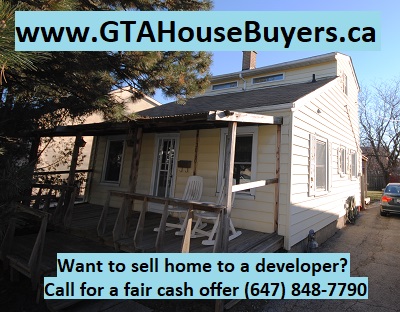
    How to sell home to developer

    Selling a home to a developer in Toronto looks very different from selling to a regular buyer. Developers do not look at paint colors, staging, or whether the kitchen feels modern. They look at land, zoning, location, and future potential.

    For some homeowners, selling to a developer makes sense. For others, it does not. The key is understanding how this type of sale actually works so you can decide if it fits your situation.

    This guide explains how selling to a developer works in Toronto, what developers care about, what you should prepare for, and how to avoid common mistakes. It is written for homeowners who want clear answers, not sales talk.

    What It Means to Sell to a Developer

    When you sell to a developer, you are not selling the house for someone to live in long term. You are selling the property for redevelopment.

    That redevelopment could include:

    • Building multiple units
    • Replacing the house with a new structure
    • Assembling land with neighboring properties
    • Changing the use of the property

    Your house itself may not matter much. The land often matters more.

    Why Toronto Attracts Developers

    Toronto continues to grow. Population pressure, transit expansion, and housing demand push developers to look for land in established neighborhoods.

    Developers focus on areas with:

    • Transit access
    • Growing density
    • Redevelopment-friendly zoning
    • Strong long-term demand

    If your property sits in one of these areas, a developer may see opportunity.

    Signs Your Property May Interest a Developer

    Not every house attracts developers. Some properties fit better than others.

    Common factors developers look for include:

    • Larger lot size
    • Corner lots
    • Proximity to transit or main roads
    • Zoning that allows more density
    • Neighboring properties that could combine land

    A small house on a valuable lot often draws more attention than a large house on a tight parcel.

    How Selling to a Developer Differs From a Traditional Sale

    Traditional buyers focus on comfort and livability. Developers focus on numbers and feasibility.

    That difference changes the process:

    • Fewer emotional conversations
    • More technical questions
    • Longer planning discussions
    • Less concern about condition

    Developers expect properties that may need to be torn down or heavily altered.

    Do You Need to Fix Anything Before Selling

    In most cases, no. Developers usually do not want you to renovate. Repairs rarely increase value in a developer sale. Cosmetic updates do not matter.

    Spending money before talking to a developer often wastes time and resources.

    Understanding Zoning Without Getting Overwhelmed

    Zoning plays a big role in developer interest.

    You do not need to become a zoning expert, but you should understand:

    • Current zoning type
    • Whether redevelopment already exists nearby
    • Whether density changes appear likely

    Developers often research zoning themselves, but basic awareness helps you ask better questions.

    How Developers Evaluate Properties

    Developers look at a mix of factors:

    • Land size and shape
    • Zoning and planning rules
    • Development costs
    • Timeline and risk
    • Market demand

    They work backward from what they can build, not from what the house looks like today.

    Should You Contact Developers Directly

    Some homeowners contact developers directly. Others prefer intermediaries who understand both sides.

    Direct contact can work, but it comes with challenges:

    • Complex discussions
    • Technical language
    • Long timelines

    Having guidance helps many homeowners stay grounded during negotiations.

    Privacy and Quiet Sales Matter

    Selling to a developer does not always require public listings. Many homeowners prefer quiet discussions rather than open marketing. This approach reduces disruption and avoids unwanted attention.

    Quiet sales often suit people who value discretion.

    Timelines in Developer Sales

    Developer sales can take longer than regular sales.

    Reasons include:

    • Planning reviews
    • Zoning considerations
    • Internal approvals

    Patience matters. Knowing this upfront helps manage expectations.

    Risks to Watch For

    Not every developer conversation leads to a sale.

    Watch for:

    • Open-ended timelines
    • Unclear conditions
    • Pressure to wait indefinitely

    Clear communication protects you from feeling stuck.

    Emotional Considerations

    Selling a home to a developer can feel strange. The house may hold memories, but the buyer may see it as a future project.

    That emotional gap can feel uncomfortable. Recognizing it helps you stay confident in your decision.

    Is Selling to a Developer Right for You

    Selling to a developer often works best if:

    • You care more about land value than house condition
    • You want minimal repair involvement
    • You understand timelines may vary
    • You value a clear, direct sale

    It may not fit homeowners who want fast, traditional transactions.

    Making an Informed Choice

    Selling to a developer is not about chasing trends. It is about choosing what fits your property and your goals. The more informed you feel, the better your decision will be.

    Frequently Asked Questions About Selling to a Developer in Toronto

    Can I sell my home to a developer in Toronto legally?

    Yes. Selling to a developer is legal in Toronto when zoning and planning rules are followed.

    Do developers care about the condition of my house?

    Usually no. Developers focus on land and redevelopment potential.

    Will I need to renovate before selling to a developer?

    No. Renovations rarely add value in developer sales.

    Does selling to a developer take longer?

    It can. Developer sales often involve planning timelines.

    Is selling to a developer common in Toronto?

    Yes. Many Toronto properties sell to developers each year.

    If you are considering selling your home to a developer and want clear guidance without pressure, GTA House Buyers can walk you through your options. Call (647) 848-7790 to talk it through.
     

  • Sell Land Fast Ontario – Sell to Investors (It’s amazing and we are the best)

    There are many reasons why you would want to sell your land, and you have different options for selling. You could use a traditional real estate agent, you could try to sell your property by owner, or you could sell your land fast in Ontario to an investor.

    Sell Land Fast Ontario – 5 Things You Should Know About

    Understanding the Buyer

    Professional land buyers in Ontario typically close faster than traditional land buyers, and usually pay full in cash. Traditional land purchases usually require qualifications from banks, mortgage underwriting time, property inspection time and the buyer may not end up qualifying in the end. There are also no commissions paid to a buyer’s or seller’s agent which means thousands of dollars in savings.

    The usual commission is 2.5% per side, so if you sell your land for $200,000, you would have to pay $10,000 in commissions alone! Plus another $1,300 in HST. Professional land buyers also will not charge transaction fees and there won’t be extra HST either. 

    No Preparation Necessary

    Sell land fast Ontario
    Sell Land Fast Ontario – Selling to an investor, cuts costs and time to put the land up for sale.

    Professional land buyers in Ontario will usually purchase lands as-is. As a seller, this means you do not have to worry about any upkeep before closing or any other additional expenses you were not planning on. Selling to a Sell Land Fast Ontario investor, cuts costs and time to put the land up for sale.

    Sell With Confidence

    When you decide to use a professional land buyer in Ontario, you will not have to worry about going through a roller coaster of emotions. There are no frustrating, middle-of-dinner phone calls asking if you are available to show your land. You don’t have to worry about driving out to your property for a showing to sell land fast in Ontario.

    You don’t have to worry about possibly running into a buyer’s agent or their clients or dealing with them asking you questions that you really shouldn’t answer anyway.

    No-Risk

    Selling to a professional land buyer is extremely straight forward. They will layout every step of the process and usually have shortened, very clear contracts that are simple as-is purchase agreements. You will also have lessened exposure to legal risks. You won’t have to worry about the buyer finding something you didn’t know you didn’t disclose or something they don’t like about the land or the neighborhood.

    Under most traditional real estate contracts, there is a potential for the buyer to sue you if they feel they didn’t get all of the information, or if they feel the facts were misconstrued. Professional land buyers already know the state of the property, and they are willing to take on that risk.

    Land is Different

    Selling land fast in Ontario to an investor is very different than if you were selling a commercial, multi-family or single-family residential property mainly because there is no building. Land is a very simple property to deal with. Most Ontario investors won’t even drive out to the property because all of the information they need is available online.

    They may or may not have a survey completed to verify the property lines, and they will most likely prefer that no improvements have been made, such as fences or sheds. These properties are perfect for investors because they can build the property to fit whatever plans they have. Land transactions can be as quick as a few days when you sell directly to GTA House Buyers!

    Call GTA House Buyers today at (647) 848-7790 or send us a message to discuss selling your land to an Ontario investor. We can go over your property and let you know its market value and get you on your way to selling your land fast in Toronto!

  • How to Sell Land Without a Realtor? Here Are 5 Ways Holding on to Vacant Land in Canada Is Costing You

    Many people view land as an exceptional investment. Property tends to be a valuable commodity, especially in areas with rising housing prices and increasing rates of development. The issue is, once you buy vacant land, you’ll have to shoulder some substantial costs. In some cases, the expenses can be so high that it might have you scrambling to figure out how to sell land without a realtor. Most vacant landowners aren’t aware of the potential costs. As a result, they’re pretty surprised when they see how it hurts their bottom line. Here are five ways that holding onto vacant land in Canada may be costing you and why it may be a great idea to figure out how to sell land without a realtor. 

    5 Ways Vacant Land in Canada Costs You Money 

    Property Taxes

    How to Sell Land Without a Realtor
    How to sell land without a realtor? Here are five ways holding on to vacant land in Canada Is costing you .

    Property taxes in Canada can be a bit steep. While taxes on vacant land are typically lower than similar lots with established structures, they can still add up quickly. You may be paying hundreds or thousands of dollars every year. Over time, the total amount you spend on taxes can be startling. 

    Depending on the location and condition of the vacant land, increases in the property value may not offset the taxes, too. That means you’re losing money on this investment. You aren’t recouping what you’re spending in taxes, causing you to effectively fall behind. 

    By selling your vacant land without a realtor, you won’t have to worry about property taxes devaluing your investment. Instead, you can capture as much of that value as possible. 

    Maintenance

    While it may seem that vacant land in Canada isn’t expensive to maintain, that isn’t necessarily the case. Municipalities may have standards you need to follow when it comes to the condition of your property. If you don’t meet the requirements, then you might face a range of penalties. 

    Avoiding the fees means dedicating time, effort, equipment, and supplies to upkeep. Along with handling the landscape, you might find that other people turn your property into a makeshift dump since it’s empty. If that happens, you’ll have to pay to get rid of other people’s trash. Depending on what they leave, that can be startlingly expensive. 

    When you sell your land without a realtor, you’re no longer responsible for that property maintenance. Plus, you won’t have to worry about any fees that can come with failing to meet local standards. 

    Infrastructure Improvements

    If you bought undeveloped vacant land as an investment, there is a good chance it doesn’t have some key infrastructure, like utilities and road access. Getting those services in place can be incredibly costly, especially if neighboring properties are undeveloped. 

    This may not be an issue if development isn’t needed. For example, certain recreational style lots that aren’t meant to have a home or business on them may not require the infrastructure. 

    However, not moving forward with the improvements can hurt the value of your land if the development would ultimately be the goal. Fewer buyers are willing to deal with the headaches of bringing in the necessary infrastructure. As a result, there will be less competition for your vacant lot, leading to a smaller selling price. 

    Otherwise, you would need to pay to get the infrastructure in place. Depending on where your land is located, that may cost far more than you’d expect. Plus, you may not fully recoup that money when you sell, leading to a loss. 

    Missed Opportunities

    When you purchase a vacant lot, you usually spend time learning about any rules regarding its potential use. Every piece of the property falls under zoning or land-use ordinances. While those might seem permanent, that isn’t the case. 

    If you hold onto vacant land that’s near a developing area, it’s possible the zoning rules could change. If the land-use regulations become more stringent or limiting, it reduces the potential of the lot. When that happens, its value could decline. 

    By not figuring out how to sell land without a realtor before that happens, you miss out on an opportunity. You can’t sell for the same amount if the zoning becomes unfavorable. In some cases, this leads to significant losses, making what once looked like a good investment a dud. 

    Plus, that isn’t the only potential missed opportunity. Vacant land isn’t eligible for the same tax benefits as you may receive with other kinds of properties. For example, by adding a home and renting it out, you could be eligible for a deduction. There are also tax benefits for commercial properties, something you’re not necessarily capturing either. 

    Shifting Market Conditions 

    While people generally believe that market conditions will move in their favor, that’s never guaranteed. Land values shift regularly and for a number of reasons. Supply and demand play a role. New developments nearby are a factor. Changing economic conditions, mortgage interest rates, and tax changes also cause fluctuations. 

    If market conditions aren’t favorable, you may be losing money by holding onto the vacant land. Remember, taxes, fees, and maintenance costs add up. 

    If you’re spending more than the land is appreciating, you’re losing money by keeping the property. That’s why figuring out how to sell land without a realtor is critical, as it lets you get out of what may be a poor investment. 

    Ready to Sell Your Land Without a Realtor in Canada? 

    When you’re ready to sell your vacant land, selling without a realtor can be a great move. Not only will you not have to pay a commission, but you also don’t have to pay tax on that commission. Plus, you can complete the process faster, allowing you to limit your holding costs and get more from your investment. 

    No matter what your situation, if you own land in Canada, call GTA House Buyers at (647) 848-7790 or send us a message to discuss the ways holding onto vacant land is costing you and what you can do about it.